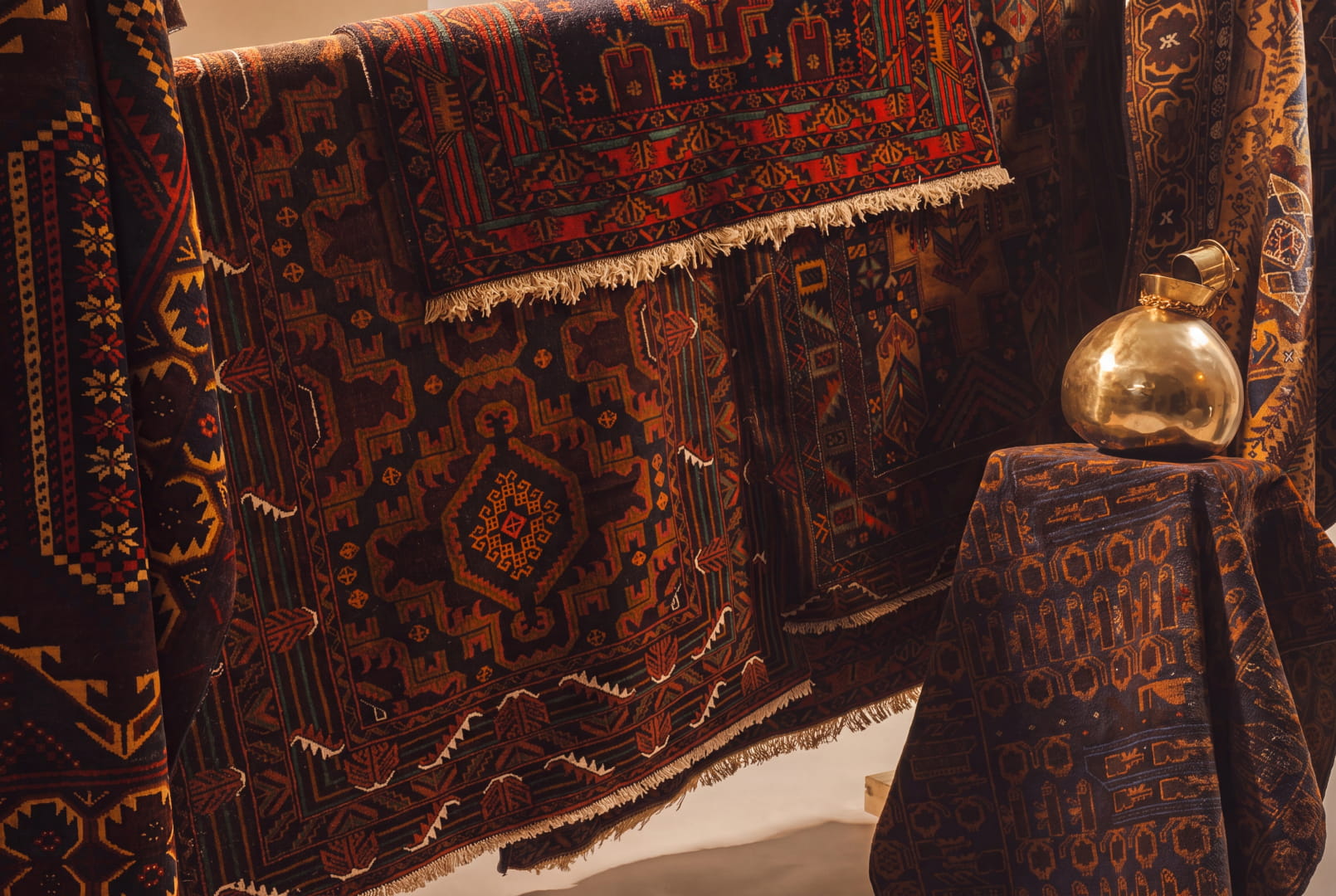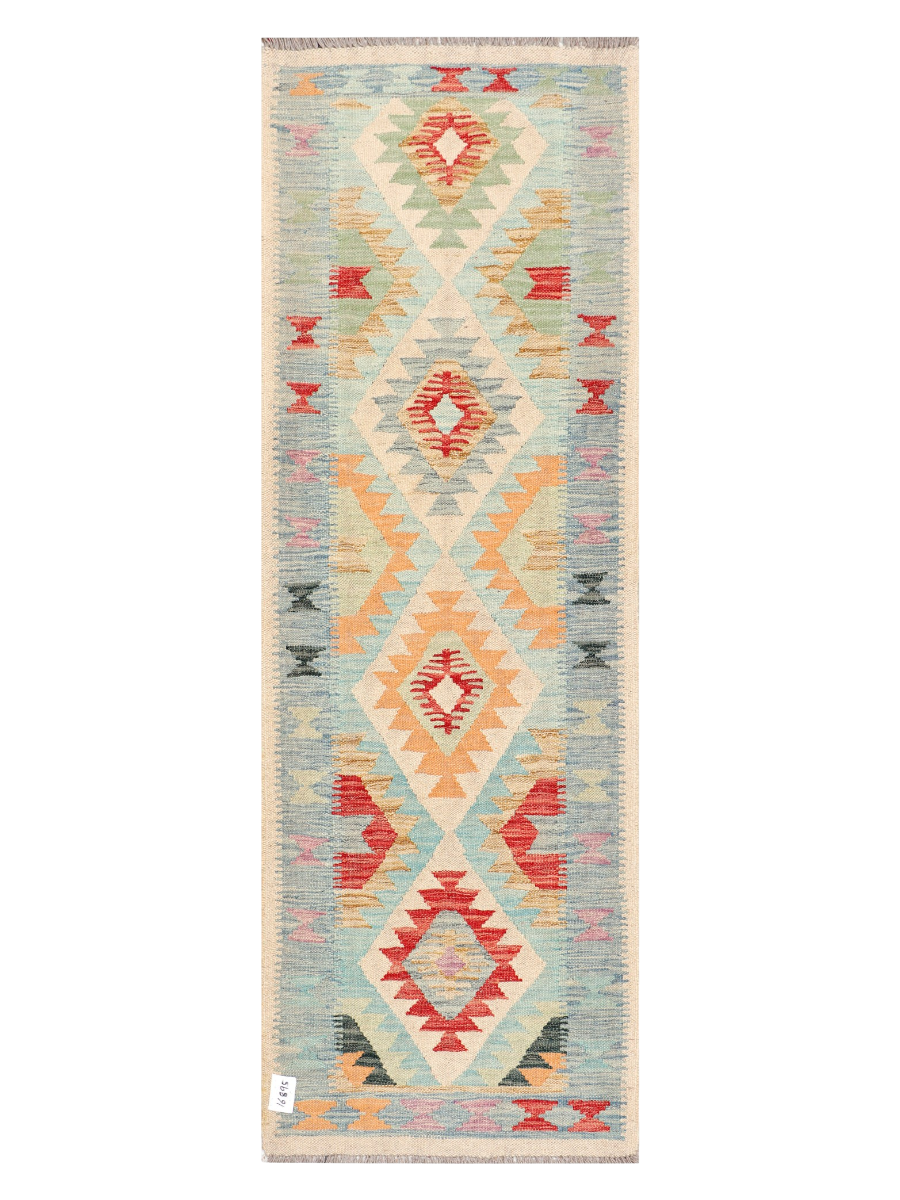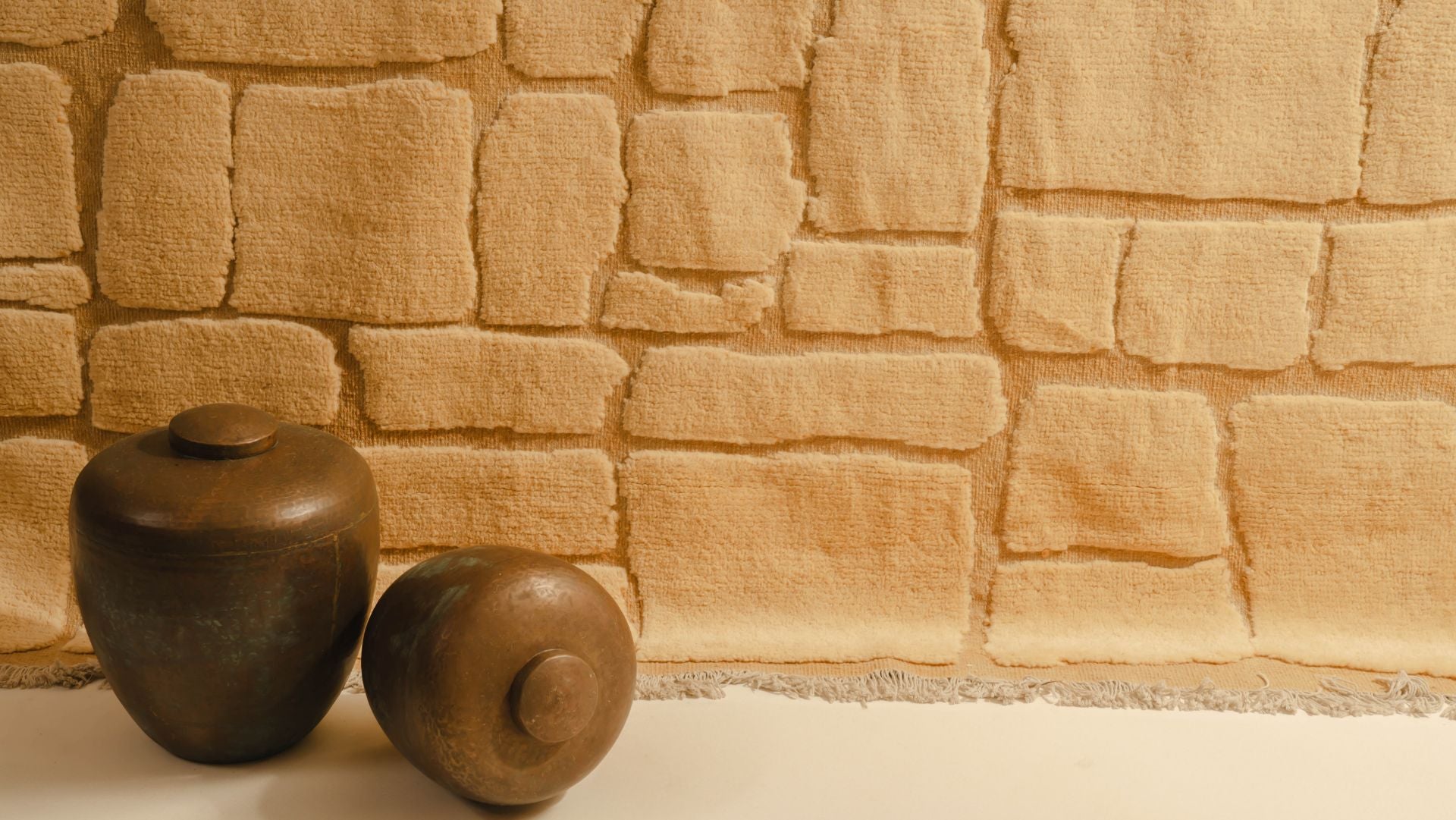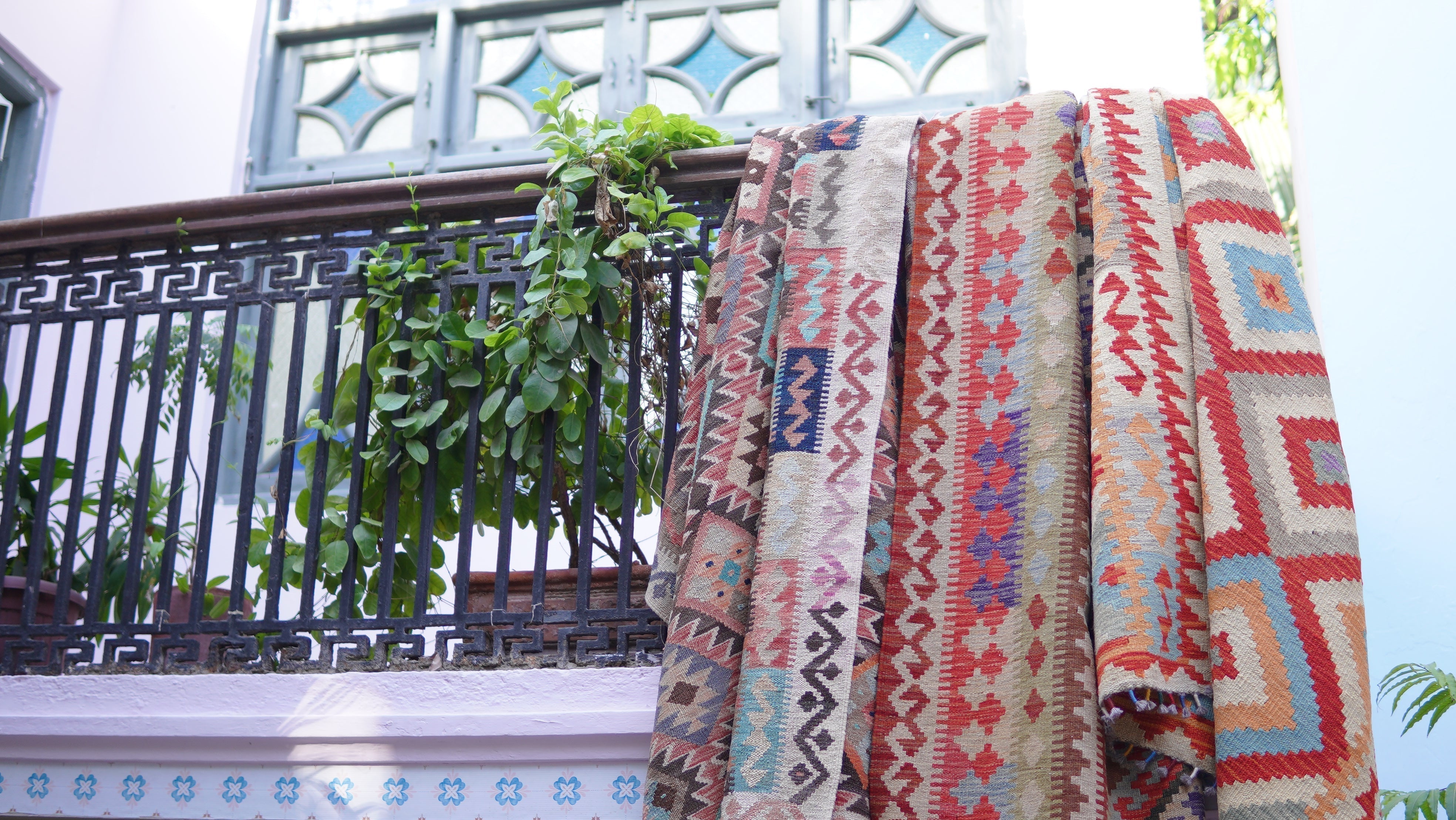
When it comes to high-quality rugs that stand the test of time, one name rises above the rest: Afghan. Known for their timeless elegance and masterful craftsmanship, Afghan Kilim rugs have been cherished for generations.
Ask your parents, your grandparents—even their grandparents—and chances are, they’ll recognize these woven treasures. While new trends and designs have emerged over the years, Afghan kilim rugs remain as sought-after today as they were decades ago.
But what makes these rugs so special? And why do rug enthusiasts rave about them? Read on as we unravel the story behind Afghan kilim rugs.
From their rich origins to where you can find the most authentic pieces, this guide has everything you need to know before bringing one of these heritage-infused masterpieces into your home.
What Is an Afghan Kilim Rug?
If we had to sum up these rugs in three words, they would be:
- Vibrant ✨
- Intricate 🎨
- Durable 💪

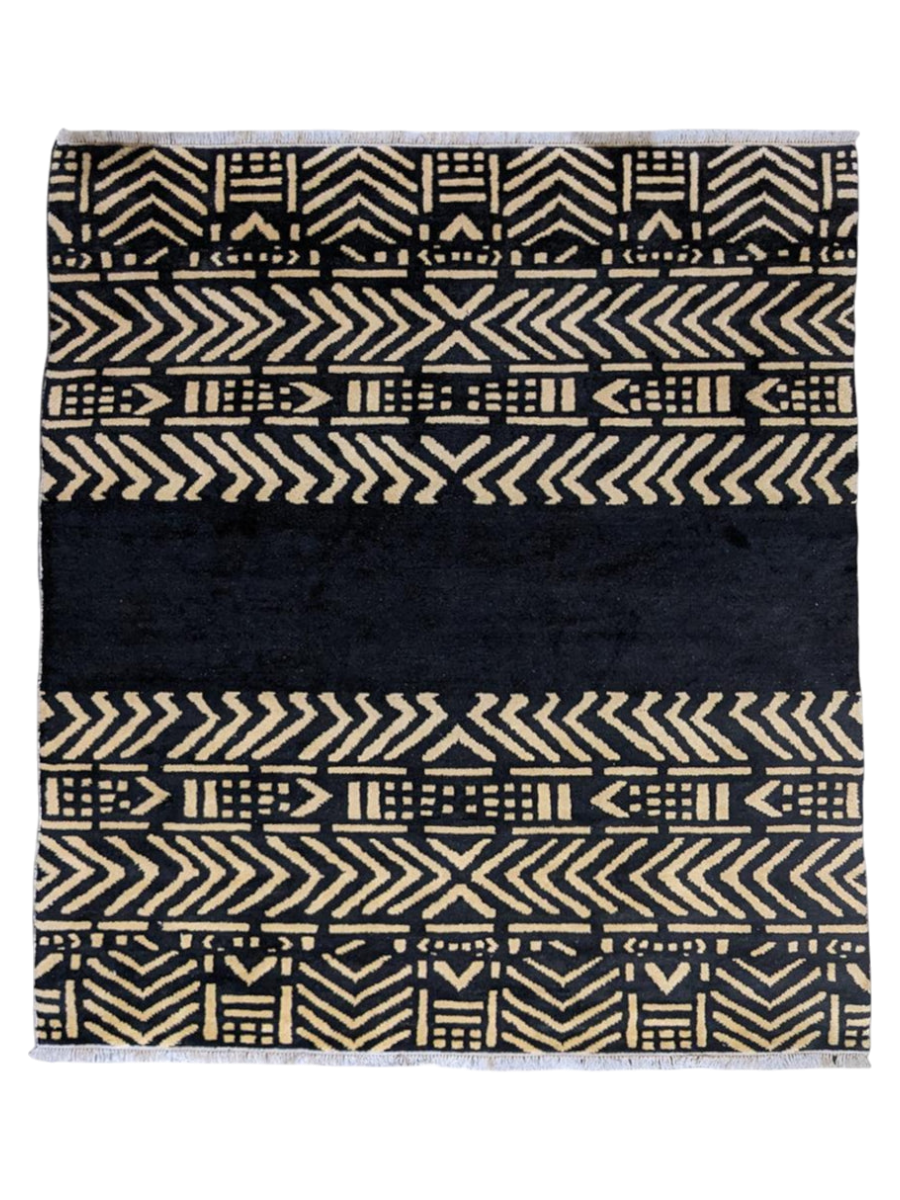
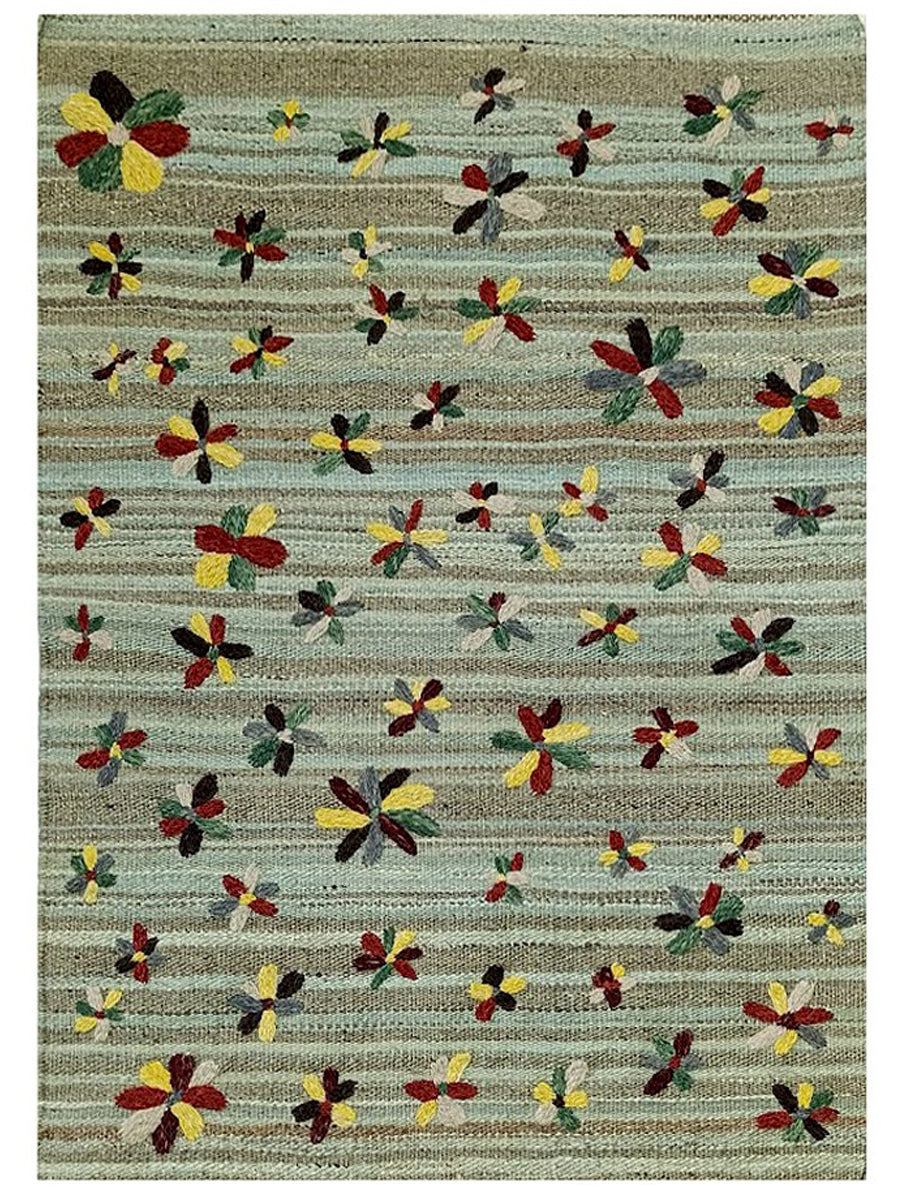
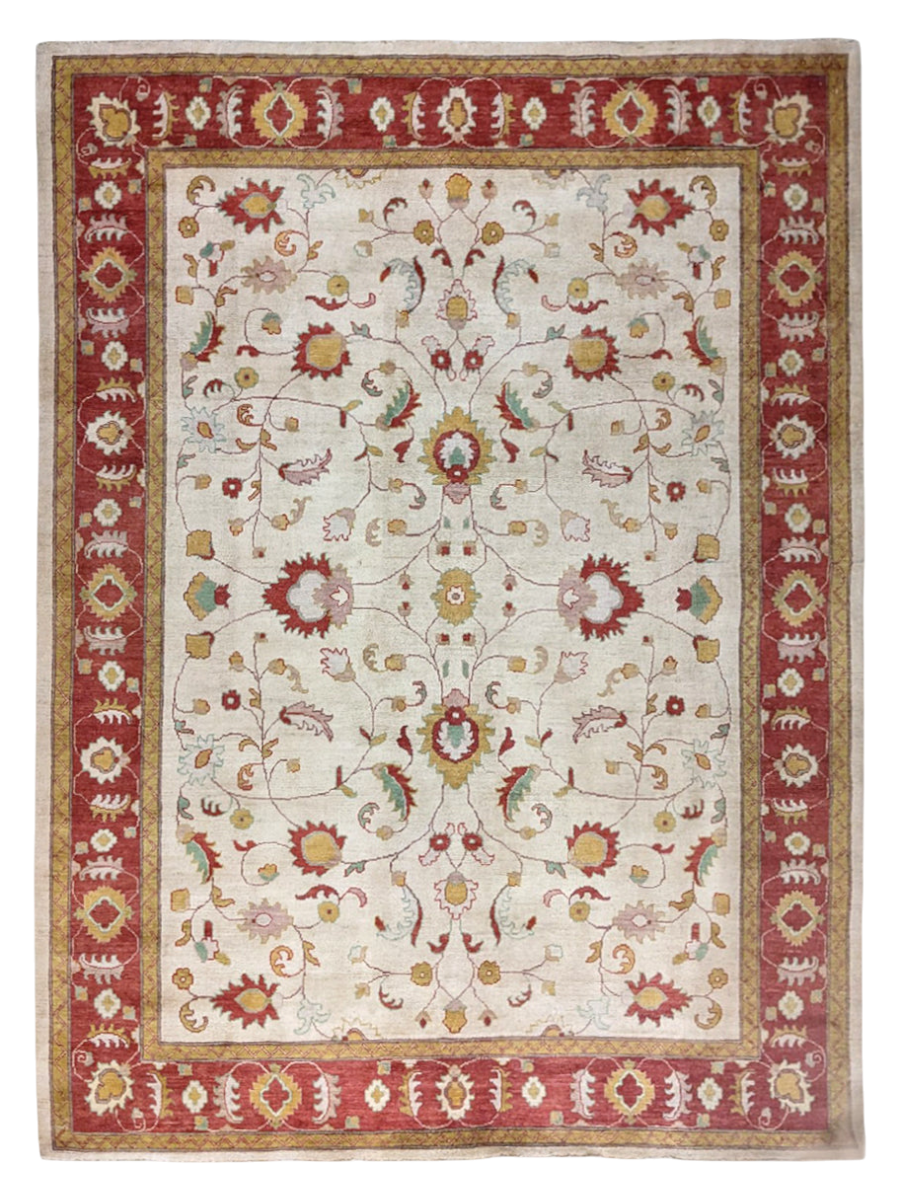
Afghan Kilim rugs are known for their rich, eye-catching hues, woven together in a way that instantly adds warmth and character to any space. Their intricate geometric patterns, carefully crafted by skilled artisans, create a mesmerizing visual appeal.
But these rugs aren’t just about beauty—they’re built to last. Thanks to a unique flat weave technique (which we’ll explore shortly), Afghan Kilims are not only lightweight and reversible but also strong enough to be passed down for generations.
The History of Afghan Kilim Rugs
It all started in the sand dunes of Afghanistan when a rug maker stumbled upon a groundbreaking technique… Well, we wish we had a story like that! But the truth is, the history is much simpler—yet just as fascinating.
In their early days, Afghan tribes wove these rugs not as decorations but as everyday essentials. They covered floors, divided tents, and even crafted saddlebags from these sturdy, handwoven pieces. Function came first and beauty followed.
Then came the Silk Road, a game-changer that carried Afghan craftsmanship beyond borders. The weaving techniques evolved, blending influences from the Indian subcontinent, Central Asia, and Persia.
This fusion, combined with the meticulous skill of Afghan artisans, gave birth to the distinctive Kilim designs that were soon to take the rug world by storm.
How Are Afghan Kilim Rugs Made?
What makes these rugs so unique? Are there special techniques or patterns that set them apart? Absolutely!
Every Afghan Kilim rug you see is a labor of love, crafted by skilled artisans who have spent years mastering the art of Afghan rug-making. From a few weeks to several months, the time and effort poured into each piece depends on its level of detail.

Material Selection
Now if you might be wondering why these rugs are so expensive, with some having skyrocketing prices, the answer lies in the material.
The traditional, authentic Kilims are made from locally sourced wool, prized for its durability, softness, and resilience—qualities every rug lover wants when investing in a timeless piece. The wool is first washed, carded, and spun into yarn before it’s ready for weaving.

Splashing In Color
One of the biggest reasons Kilim rugs turn heads? Their rich, vibrant hues stand out. These come from natural dyes extracted from plants, minerals, and even vegetables. Some of the most commonly used dyes include:
- Pomegranate peel – Produces a warm gold-to-yellow tone.
- Walnut husks – Creates a soft, wheat-like brown.
- Madder root – Delivers deep, rich reds and oranges.
These natural dyes and others aren’t just chosen for their visual appeal—they also age beautifully over time, ensuring your rug only gets better with age.

Weaving It Together
Unlike most hand-knotted rugs you’ll find on the market, Afghan Kilims are made using a flat weaving technique, which means they have no pile (raised surface). Hence the name "flatweave" rugs!
The magic happens through the warp and weft interlocking method:
The process: Coloured weft threads are tightly woven through vertical warp threads on a loom.
The result: A thin, durable, and fully reversible rug—switch it up whenever you like!

But here’s what truly makes Afghan Kilims special: the designs. Unlike factory-made rugs with pre-planned blueprints, most Kilim weavers rely solely on their skill, memory, and creativity to craft the stunning geometric motifs you see.
The sharp, angular designs are achieved by carefully interlocking the edges of each color block—a signature look that sets Kilims apart.
Every weave means something special…
Here’s the fun part! Afghan Kilims aren’t just traditional rugs—they’re woven with stories, symbolism, and meaning. Every motif, pattern, and design carries a deeper significance, often tied to protection, tribal life, spirituality, and more.
Here are some common symbols you might spot and what they represent:


|
Ram’s Horns |
Zigzags & Waves |
Diamond Patterns |
|
Symbolizing: Strength, Power & Masculinity Source: Maimana |
Symbolizing: Water & Flow of life Source: Maimana |
Symbolizing: Protection & Warding off the evil eye Source: Maimana |
Final Touches
To make it ready for your home, once the weaving is done, the rug is removed from the loom. Next up, to prevent unraveling, the edges are carefully hand-knotted or braided.
Some rugs even come with decorative fringes, signifying their traditional charm. Finally, the rug is washed and laid out under the sun to dry—enhancing its texture, bringing out its rich colors that you’ll fall in love with!
Why Should You Choose Afghan Kilim Rugs?
What sets Afghan kilim rugs apart from the rest? Let’s take a quick look at how they compare to regular rugs.
Afghan Kilim Rugs Vs Other Rugs
|
Feature |
Afghan Kilim Rugs |
Other Rugs (Hand-Knotted / Machine-Made) |
|
Weaving Style |
Flatwoven, no pile (smooth & thin) |
Usually pile rugs (knotted or tufted for a thicker texture) |
|
Durability |
Highly durable, tightly woven structure |
Varies—hand-knotted rugs last long, but machine-made rugs wear out faster |
|
Material |
100% wool, sometimes mixed with goat or camel hair |
Wool, silk, cotton, or synthetic fibers |
|
Dyeing Process |
Natural vegetable & mineral dyes |
Natural or synthetic dyes |
|
Versatility |
Lightweight, can be used as rugs, wall hangings, or furniture covers |
Primarily used as floor rugs |
|
Reversible? |
Yes, can be flipped for extended use |
No, has a clear front and back side |
|
Texture |
Flat, slightly coarse but softens with time |
Soft and plush (pile rugs) or uniform (machine-made) |
|
Maintenance |
Easy to clean, less prone to dust & allergens |
Pile rugs trap dust and require deep cleaning |
|
Heritage |
Handmade using centuries-old Afghan techniques |
Varies—some rugs have deep traditions, others are mass-produced |
Where Can You Find Authentic Afghan Kilim Rugs?
Now that you’re here, chances are you’re already eyeing an Afghan Kilim rug for your bedroom, living room, or favorite space. But with their growing popularity, many sellers are passing off cheap imitations as authentic Afghan Kilims.
To help you avoid that trap, here’s a quick guide to identifying a genuine Afghan Kilim rug:
How Can You Tell If A Kilim Rug Is Real?
Material and texture
✅What to look for: Should feel firm yet soft with a natural sheen, that’s real wool
❌What to avoid: Rough or overly synthetic, sign of mass-produced replica
Weaving technique
✅What to look for: Identical on both sides which makes it reversible
❌What to avoid: Pile or raised fibers
Patterns
✅What to look for: Slight irregularities in patterns, that’s a sign of authenticity not a flaw
❌What to avoid: Must not look too perfect, that’s a sign of machine made
Edges and Finishing
✅What to look for: Hand Knotted/braided edges to prevent unraveling
❌What to avoid: Glued or stitched-on fringes, sign of factory production
Smell and Feel
✅What to look for: A natural, earthy scent produced by lanolin in wool
❌What to avoid: Strong chemical odor, caused by artificial treatment or machine production
Where To Buy Authentic Afghan Kilim Rugs?
Why spend time worrying about authenticity when you can shop with confidence? At Imaco Rugs, we take pride in offering only the finest, most authentic Afghan Kilim rugs—crafted with tradition, quality, and artistry.
And it doesn’t stop there! With our wide collection, you’re sure to find the perfect rug to bring warmth, culture, and elegance to your space.
✨ Explore our collection now →visit https://imacorugs.co.uk/.