Rugs

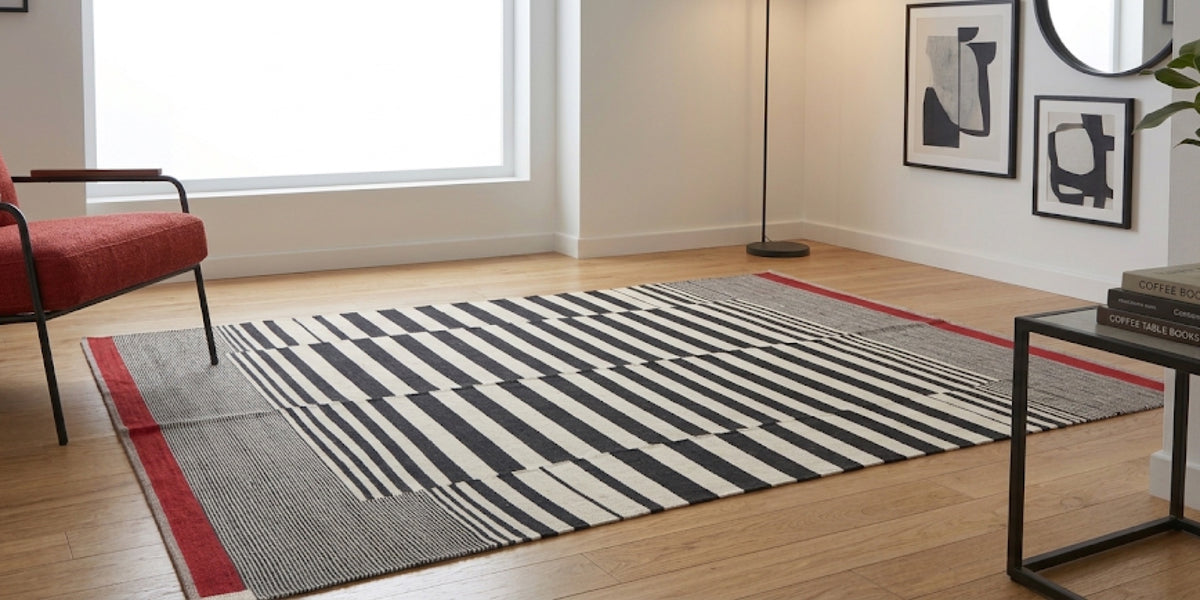
Rug Sizes in cm: 9x12, 8x10 and 5x7 Explained
Feet to cm for every common rug size, and which size suits which room.
Learn more
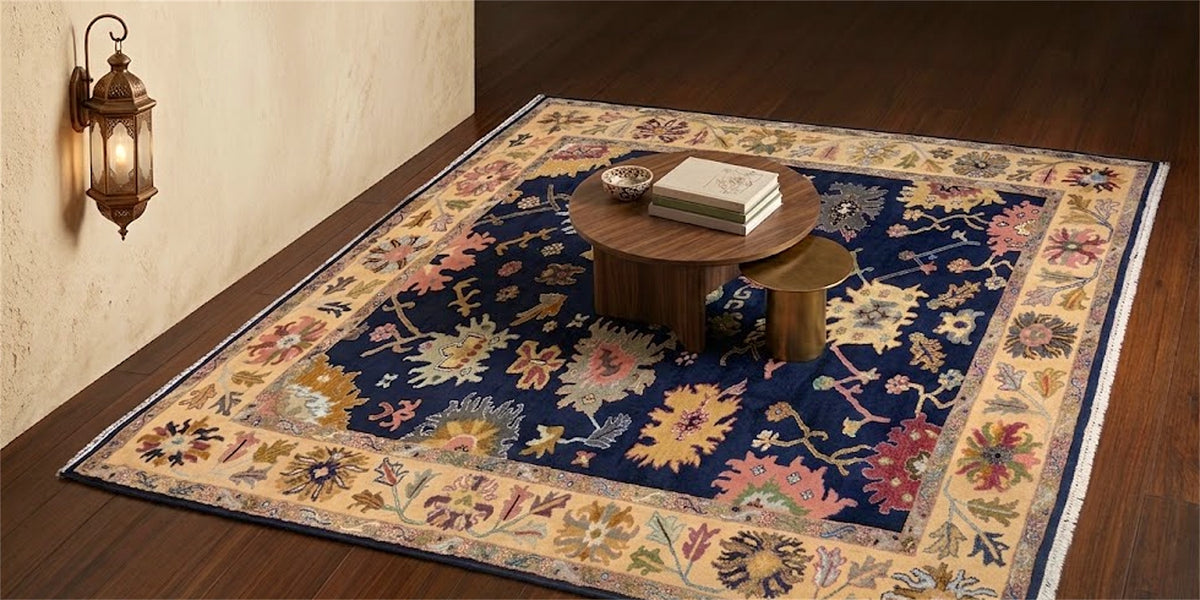
Handmade Rugs: Where They Come From and How to Choose One
What handmade means, where handmade rugs come from, and how to choose one.
Learn more
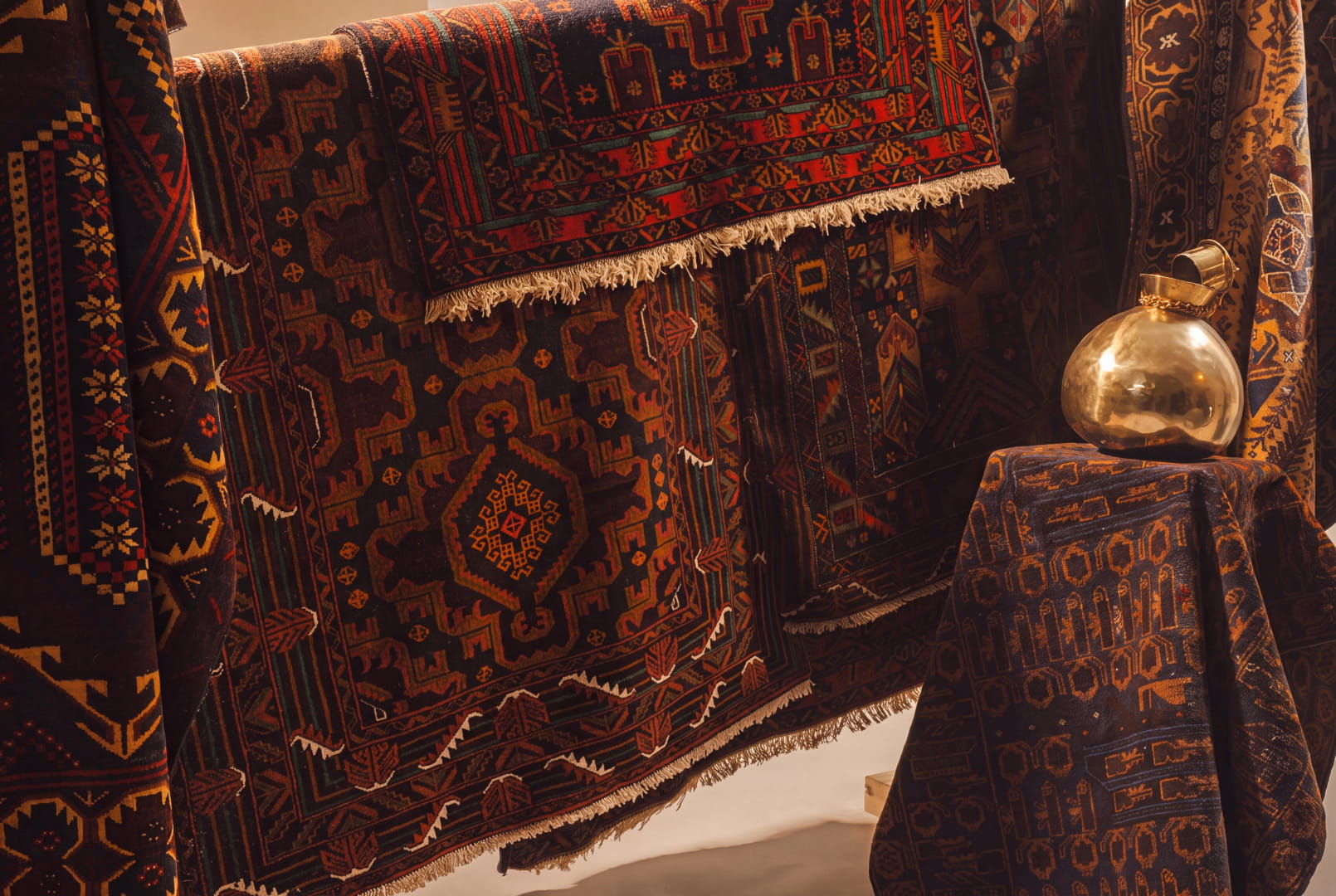
Are Wool Rugs Good? How to Choose One in the UK
What wool does well, where it falls short, and how to choose a wool rug by construction, room and size in cm.
Learn more
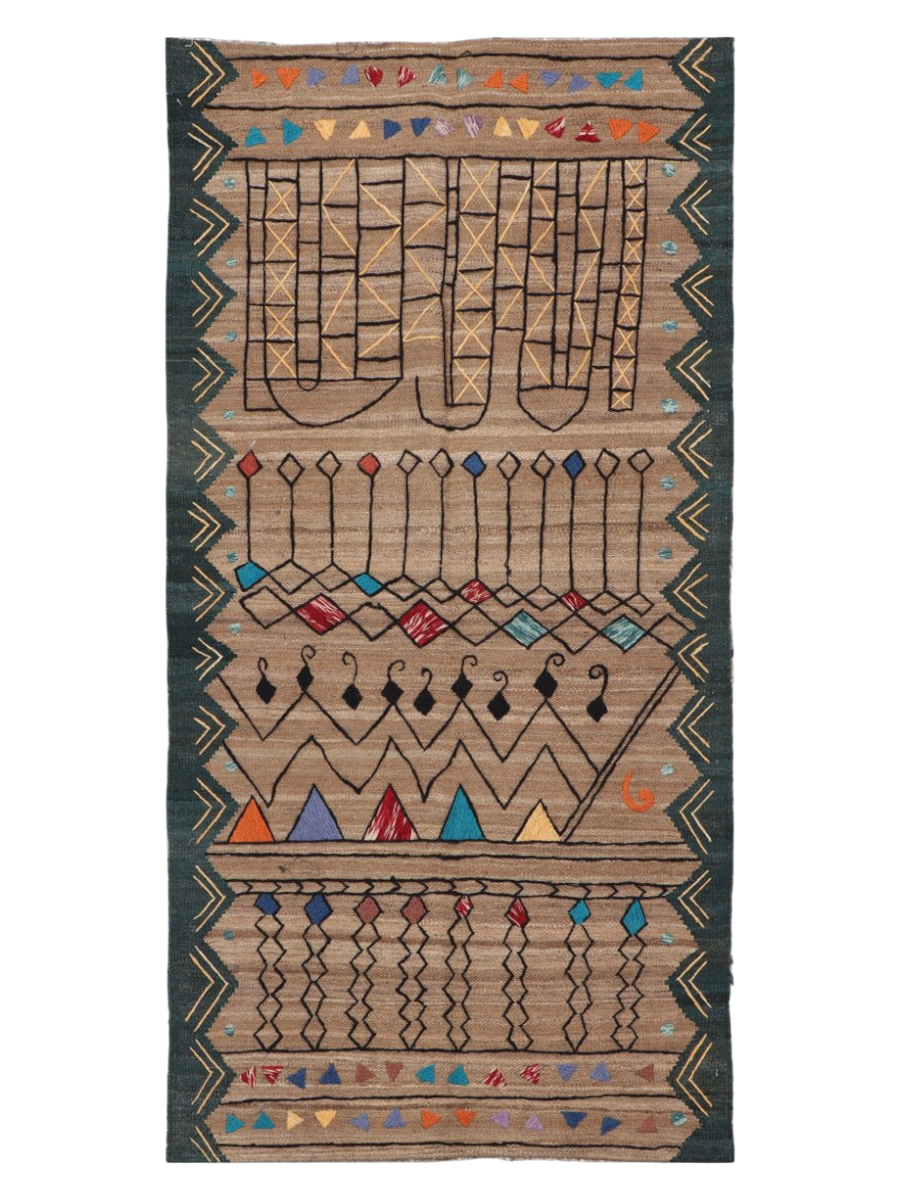
What Is a Maimana Kilim? The Complete Guide
Type "Maimana kilim" into Google and you land on a product page — a photo, a size, a price. No context for what you're actually looking at, or why the name on the label matters. A Maimana kilim is a flatwoven rug from Maimana, the capital of Faryab Province in northern Afghanistan, made without a single knot. This guide covers where that name comes from, how the rug is built, how to tell a genuine handwoven piece from a machine-made copy, and how a kilim differs from a hand-knotted rug. When you are ready to look, our Afghanistan kilim rugs are listed with their exact size in cm, and you can browse every kilim rug we list. Key Takeaways A Maimana kilim is flatwoven, not knotted — no pile, just tightly interlocked warp and weft (Wikipedia: Kilim). Maimana is a real place: the provincial capital of Faryab, roughly 400 km northwest of Kabul (Wikipedia: Maymana). The craft in this region is historically carried by Uzbek weavers and passed mother to daughter, not sourced from a commercial pattern book. Slight irregularities in the weave are a sign of hand production, not a flaw. Kilims are reversible and lighter than hand-knotted rugs — different construction, different use case. What Is a Maimana Kilim, Exactly? A kilim is a flat tapestry-woven rug with no pile — the design comes entirely from tightly interwoven wool weft and a hidden warp, not from tufts of knotted yarn standing up off a backing (Wikipedia: Kilim). A Maimana kilim is a kilim woven in and around Maimana, Faryab Province, in northern Afghanistan — one of the region's longest-running weaving traditions, carried largely by Uzbek weavers who settled the area. That's the whole distinction in one line: "kilim" describes how it's built. "Maimana" describes where it's from. Both matter — a flatweave built the same way but woven somewhere else isn't a Maimana kilim, whatever a listing calls it. A kilim belongs to the wider group of flatweave rugs, which have no pile at all. Where Maimana Is — and Why the Region Matters Maimana sits in Faryab Province, roughly 400 km (250 mi) northwest of Kabul, and has served as a provincial capital and a commercial crossroads for centuries — historically the seat of the Maimana Khanate, connecting trade routes between neighbouring regions (Wikipedia: Maymana). That trade-route history is part of why the weaving tradition is specific to this city rather than the country as a whole. "Afghan rug" as a catalogue label flattens dozens of distinct regional traditions — Maimana kilim, Turkmen-style rugs, and others — into one generic bucket. Naming the region instead of the country is the only way to actually say what you're buying. For the full map of Afghan rug types, read Afghan rug types explained. How a Maimana Kilim Is Woven The technique is called slit-weave (also dovetail-weave): when the pattern changes colour, the weaver turns the weft yarn back on itself at the boundary rather than carrying it across, leaving a small vertical slit between colour blocks. That's what gives kilim patterns their sharp, clean edges instead of the softer blending you get in a knotted pile rug (Wikipedia: Kilim). Construction, in order: Warp — vertical threads, wool or cotton, strung on the loom. Fully hidden by the weave except at the ends, where it becomes the fringe. Weft — horizontal threads, almost always wool, packed down tight enough to completely cover the warp. This is the weft-faced plain weave that makes a kilim flat rather than piled. Colour changes — handled with the slit-weave turn described above, block by block, row by row. In Maimana specifically, this craft has historically sat almost entirely with women, and the patterns aren't pulled from a commercial design catalogue — they're a visual vocabulary passed down within families, with each weaver bringing her own read on it. Historically, colour came from plant dyes; more recent pieces increasingly use synthetic dyes alongside natural ones for a wider colour range. Our guide to natural and synthetic dyes in Afghan kilims explains how to tell them apart. What this means in practice: because the pattern lives in the weaver's head and hand rather than a printed template, no two Maimana kilims — even the same "design" — come out pixel-identical. That's not a limitation of the process. It's the process. Maimana Kilim vs Hand-Knotted Rug — What's the Difference? Both are handmade. The construction is not the same, and it changes how the rug looks, feels, and wears. Maimana Kilim (flatweave) Hand-Knotted Rug Pile None — flat on both faces Yes — tufted knots create a raised pile Reversible Yes, both sides usable No, one face only Weight/thickness Lighter, thinner Heavier, thicker Pattern edges Sharp, geometric (slit-weave) Softer transitions between colours Typical knot count None — no knots at all Measured in knots per square metre Feel underfoot Firm, low-profile Plush, cushioned Source on hand-knotted construction: Wikipedia: Knotted-pile carpet. Neither construction is "better" — they solve different problems. A kilim layers well over a larger rug, works both sides, and suits a room where you want texture without bulk. A hand-knotted piece is the one you want underfoot in a formal sitting room, where the pile and weight are the point. If you are weighing a kilim against a pile rug, read flatweave vs pile rugs. How to Tell a Genuine Handwoven Maimana Kilim Machine-made "kilim-style" rugs exist, and they're built to imitate the look at a fraction of the weaving time. A few tells: Fringe is structural, not sewn on. On a genuine flatweave, the fringe is the exposed end of the warp threads that ran the rug's whole length. If the fringe looks stitched to the edge as a separate piece, it isn't a real kilim construction. Slight irregularity is a feature. A perfectly uniform, machine-precise repeat across the whole rug is a sign of a printed or power-loomed copy. Hand tension varies row to row — that's what produces the faint, human unevenness collectors look for. Reversible face. Turn it over. A genuine flatweave looks essentially the same on both sides, since there's no pile to hide the back. A printed imitation usually has an obviously different, uniform backing. Weight and drape. Wool flatweave has a specific heft and a way of lying flat without curling hard at the corners. Synthetic imitations tend to be stiffer or noticeably lighter. If you're unsure whether a piece in your home is a genuine handwoven kilim, check the fringe and the reverse face first — those two checks catch most imitations. Caring for a Maimana Kilim General wool-flatweave care, not specific to any one piece: Vacuum without a beater bar or rotating brush — a suction-only setting protects the weave. Rotate the rug periodically so foot traffic and sun exposure wear evenly. Blot spills immediately with cold water; don't rub, and don't apply strong detergent to natural dyes. Keep out of prolonged direct sunlight where possible — strong sun can soften colour over time. For deep stains or a full clean, use a professional wool-rug cleaner rather than a home carpet-cleaning machine. For the full routine, read how to clean a kilim rug. Where Our Maimana Kilims Come From We name the region because the region is the story — "Maimana kilim" tells you more than "Afghan rug" ever could, and it's the only version of the claim we're willing to make. Our Maimana kilims are woven in and around Maimana, in northern Afghanistan, and shipped to you from Pakistan. We pay customs and import taxes, so there is nothing to pay on delivery. What we can state as fact, not adjective: Imaco Rugs is a Label STEP dealer, listed on the Label STEP site. UK delivery is free over £75 and takes 10 to 14 days door to door, and you have 30 days from delivery to request a return. What we won't do is call a piece "premium" or "luxury" without something specific behind it — with these, the specific thing is the region, the weaving method and the size in cm on every listing. Because each piece carries the small hand-variation described above, no two are ever truly identical — genuinely one-of-one, not a marketing line stretched over a batch-produced design. Browse the full range of Afghanistan kilim rugs, or read our kilim buying guide before you choose a size. Frequently Asked Questions Is a kilim the same as a rug? A kilim is a type of rug — specifically a flatwoven one with no pile, built by interlocking wool weft over a hidden warp (Wikipedia: Kilim). "Rug" is the umbrella term; kilim, hand-knotted, and tufted are different constructions within it. Are Maimana kilims reversible? Yes. Because there's no pile to hide the back of the weave, a genuine flatweave looks nearly identical on both faces and can be used either side up. Who traditionally weaves Maimana kilims? The craft in the Maimana area has historically been carried largely by Uzbek weavers, with patterns passed down through families rather than drawn from a commercial design catalogue. Is every Imaco Maimana Kilim one of a kind? Yes, for this line — each piece is a single hand-loomed unit, not a design run repeatedly. If a specific piece sells, we mark it sold and keep the listing up rather than restocking it, since a repeat commission would come out slightly different by hand anyway. In Short A Maimana kilim earns its name two ways: the flat, knot-free slit-weave construction, and the specific city and weaving tradition it comes from. Knowing both means you can tell a genuine piece from an imitation, and know what you're actually buying when a listing says "Maimana" instead of just "Afghan." See every Afghanistan kilim rugs listing, with sizes in cm.
Learn more
Bring a Vintage Vibe at Home with Vintage Cushions
Choosing vintage style never means you are being old-fashioned. It is about creating a vibe that is classic, comfortable and personal. Homeowners who want a vintage vibe in their home, their goal is never about creating a space that feels right, not just perfect. But how can you do this without putting extra effort? If you are a vintage home style lover and you are worrying about the budget, to create that style you need to change the entire interior. But if you get to know that you can create this style without changing the complete home interiors and walls? Yes, one of the simplest and easiest ways to bring this feeling into your home is to buy vintage cushions. These cushions can quietly change the complete mood of any room. They add personality to your space without stealing the spotlight and settle naturally where life actually happens. Over time, these cushions become the central part of your daily lifestyle. Why Vintage Cushions Feels Better There is a kind of comforting familiarity about vintage cushions. Their soothing textures, calming colors and story telling patterns make them stand out. Unlike the factory-made cushions, they do not have the uniformity that always feels staged. They suit pretty well in the homes where comfort comes first. No matter what is the style of your home, vintage cushions can easily blend with every kind of interior and feel like a part of it. These cushions make your space more calmer and more ground. Bringing Vintage Style into Everyday Spaces As we claimed earlier with vintage cushions at your side, you don’t need to redesign your entire home. A small addition of these cushions are more than enough to bring a big change. Start styling the spaces which you use almost on a daily basis.Two to three vintage cushions on your plain sofa can not only soften the sitting but also the whole area around the sofa. They also soften the hard edges of the room without making the whole space heavy. Your bedroom can also be the greatest part of the home to be styled with vintage cushions. You can layer on bed and if you have a window, consider placing one at the window for a more personal vibe. It will feel like a less styled place and more a space where you can relax instantly. Floor seating can also become fun and comfortable with vintage cushions. They create a positive tone for reading, tea time and unharried conversations that naturally carry on longer than ever. How to Style Vintage Cushions the Right Way When vintage style feels balanced, the space feels right. The mix of too many colors can make the space heavy and busy, the balance keeps the vibe calm. Here are a few simple tips that help keep the look natural: Build a serene base calm like muted seating, walls and rugs. Combine patterns, but keep them in the similar color palette. Combine embroidered cushions with simpler textured ones Allow cushions to look a bit imperfect because it is what really makes them unique. These small styling choices ensure the vintage cushions are pretty and durable at the same time. Vintage Cushions and Everyday Life What makes vintage cushions special is how perfectly they fit into our daily routine. From morning till night, every second around them feels calmer and settled. These cushions age gracefully with time, growing charm rather than fading their beauty. Their subtle wrinkles, softened fabrics and ease is something a new furniture can’t match. Vintage cushions never require any attention, they just need a home with love and they will quietly support your daily life because that is the real purpose of handcrafting these cushions. Choosing the Right Vintage Cushions Vintage cushions should always be chosen on how they feel, not just how they look. Their fabric should feel soft, textures should relax and patterns should give a classic vibe. A handful of vintage cushions make a better impression than many ordinary pieces. Made to Compliment Handmade Rugs Vintage cushions pair beautifully with handmade rugs. Together they can create a finest look that feels grounded and beautiful. Their shades compliment each other perfectly, making your place complete and stylish. This is where thoughtfully made home pieces always stand out. Brands like Imaco Rugs focus on true craftsmanship and tradition and thoughtfully design the handmade cushions and rugs, and their vintage cushion collection is one of them. Explore Imaco Rugs vintage cushions and handmade rugs collection and create a home that is your everything. Common Queries of Homeowners Q: Can vintage cushions in contemporary interiors? Yes. Vintage cushions can work really in modern homes and add natural warmth and character to every corner. Q: How many vintage cushions should I use in one room? Start with two or three. Add more only if the space still feels balanced. Q: Do vintage cushions need extra care as compared to other cushions? Basic care is more than enough, soft cleaning and protection from sunlight can make them lasts longer
Learn more
Choose Suzani Cushions for Homes Where Stories Are Shared
Your home is more than just furniture and walls, it's the quiet laughter of family chatter, the soft giggles of your children and the inviting aroma of the tea shared together every day. Every corner of your narrates its own story and even the smallest details can become the best memory, Suzani Embroidered Cushions are one of those details. Handmade with love, care and dedication, this is what you do to make your home a real home and suzani cushions exactly do the same, they bring warmth and life where your life gathers, and create beautiful memories for lifetime. They are More Than Just a Cushion At first, you may see a Suzani cushion just as a colorful addition on your chair or sofa. But when you look a little closer, you see the real beauty, which is hidden in years-old embroidery, delicate patterns and in the stitches which really makes them authentic. Every stitch highlights its craftsmanship, history and the talent behind these pieces. And since they are handmade, these cushions blend effortlessly to your home and create a place that is loved and cherished everyday. Suzani cushions are way better than the mass-produced pieces, they add texture, pattern and a subtle drama to make your room inviting and exciting at the same time. Their intricate designs are bold enough to make your home attract every attention and flexible enough to blend with family space filled blankets, toys, or books, these cushions are created to live with your everyday life not just as a decorative piece. Comfort that Connect Family Imagine there is a cozy Saturday afternoon at your home, children are relaxing on the sofa, grandparents are quietly enjoying their tea while your favorite soothing music is playing in the background. A suzani cushion with its vibrant, and lively shades make the space more peaceful and meaningful. These cushions may look simple but they can make your small family moment into a memorable one. They shape moments of connection, quietly turning an ordinary living space to a place that makes memories. And since these cushions are handmade, every thread, every pattern has its own story that makes conversation with each other. Joyful, Dramatic, and Full of Life One of the joys of Suzani cushions is their expressive charm that changes every moment into a pleasant memory. Their designs often have repetitive motifs and floral patterns that stay composed in spite of their rich color. This unique balance makes them perfect for busy areas like your living room where there is constant movement and non stop conversations. Suzani Cushions are made to support your everyday life and make it enjoyable for you rather than just competing with it. Tradition Meet Everyday Living Suzani embroidery has a long and skilled history, and each piece is the proof of their rich tradition. Styling these cushions into your modern homes let you enjoy the traditional vibe while living in a contemporary lifestyle. For example, your mother is sharing childhood memories which indicate her real happy moments, or your group of college friends enjoying quality time together or you are just sitting with your partner and quietly enjoying this time. Suzani cushions simply enhance the scene and add comfort. They start conversation, live with, and keep these memories alive. Functionality Meets Design The beauty of Suzani cushions knows no limit but what really makes them perfect is their functionality to daily life. The use of durable fabric and detailed embroidery make them suitable for daily activity of family homes. They can be easily reshaped, moved around or even used for support without losing their charm. They are both functional and beautiful at the same time, making them a real fit for homes where daily mess is normal. Creating a Home with Memories Choosing Suzani cushions is about more than decoration, it's about making your home where stories come together without any effort. Layer them on your bed, style them on your sofa or at your study corner, each cushion will add a new chapter of stories and memories in your home and make a strong bond with their traditions. Every family has their own way of living life . A Suzani cushion makes these small moments more comfortable and lively. They tell us that every single thing you choose for your home matters to you. Bring Your Suzani Cushion Home from Imaco Rugs Homes where stories are shared deserve accents that reflect life in motion: laughter, conversation, warmth, and a touch of drama. Suzani Embroidered cushions from Imaco Rugs are known for this. These cushions make your home a place where your family always feels happy and lively. These cushions know that your home and you deserve to make memories that never get old and they exactly do the same.
Learn more
Can Handmade Cushions Be Used on a Balcony?
The rooftops and balconies are the most loved part of our home but most of the time we don’t even realise it. But this quiet corner in our space plays a major role in our life, you need these semi-outdoor corners sometimes to enjoy some alone time or even to enjoy some cozy mornings. These spaces have become a part of our daily life. In order to make these moments more cozy and comfortable, handmade cushions are the first thing that comes to your mind but your thought is suddenly disturbed by the question: are handmade cushions even suitable for the balcony or should they style our indoor areas only? They can absolutely suit every balcony but the real game is how you place them and care for them afterwards. Why are Handmade Cushions an Ideal Choice? Handmade cushions are crafted with hands. Every detail of these cushions are designed to fit with everyday lifestyle and add comfort to its surroundings. But these cushions are never meant for complete outdoor exposure. They are not treated to handle rain, direct sun or humidity for a longer period of time. That doesn’t mean they belong indoors only. It simply means they perform their best in semi-outdoor settings, where they can have a little protection from all the elements which can damage their fabric and delicate beauty. When Balcony Use Makes Sense Handmade cushions work particularly best in: Covered balconies Shaded rooftops Glass-enclosed terraces Shaded sitting area with overhead protection In our balconies and rooftops, these handmade cushions bring a warm and inviting feel while staying protected from direct sunlight and moisture. They make sitting hard more comfortable and welcoming so that every minute spent well on your balcony. You don’t need much, a pair of casually arranged handmade cushions are enough to make your simple balcony a little warmer and welcoming. These cushions can simply turn a practical place to a personal one. Important Tips to Keep in Mind To use handmade cushions in your balcony and also don’t want to get them damage, there are some basic tips which you can use:: Sunlight:If your cushions are facing direct sunlight, their colors will fade as the time passes. And the fades can become more noticeable on fabrics having detailed patterns and hand-dyed textures. Keeping the cushions in the shade and simply rotating them regularly, keeps their fabric and designs fresh and retains their life. Moisture:Handmade cushion fabrics are considered sensitive and can be easily damaged by rain, dampness or even from morning dew. These cushions must not be left outdoors and should be stored away when there is a rainy season. Dirt and Dust:Your balcony is the most affected area that comes in contact with dirt and pollution than the entire indoor space. Cushions with removable covers make it easier to care for them.Handmade cushions are one of the best durable pieces which are way better than the mass-produced cushions. Choosing the Right Cushion for Your Balcony Selecting the right handmade cushion is very important. Here is how you can choose the perfect one: Fabrics with a tight weave are more flexible. Designs with patterns and textures hold up better than light colours. Firmer inserts hold shape even with frequent movement A mix of a few pieces instead of a full set, creates a cozy and relaxed look that feels natural. How to Style Your Balcony with Handmade Cushions Balcony styling works only best when they are styled naturally and simply. For creating this look, you can place a few cushions on benches, few on the floors or some against the wall. It should feel relaxed more than a fixed set up. Handmade cushions pair especially well with: Wooden or cane furniture Floor seating arrangement. Calm, and simple backgrounds such as grey concrete, raw stone or soft white textures. Handmade cushions add softness to hard surfaces to create a flow from indoor coziness to outdoor spaces, the goal is to create comfort in your balcony. Small Daily Habits to Protect Your Cushions The easiest way to enjoy handmade cushions on a balcony is to adapt some simple daily habits for using them.Take these outside in the evening for sometime when you are reading, enjoying your evening coffee or arranging a small get together. But by the end of the day, it's best to bring them outside in order to protect their fabric. This small routine keeps the handmade cushions last longer and also keeps you comfortable whenever you use them. Are Handmade Cushions Worth Using Outdoors? Yes but only when they are treated with gentle care. Handmade cushions bring warmth, character and personality which the outdoor interiors can never bring. They make your balconies a place to live, not just that look good. They invite people to sit, chat and bring a sense of home to the balconies. They are made to complement your every day moment, not for rain and sun. Make Your Balcony Beautiful with Imaco’s Handmade Cushions When these cushions are chosen with love, these handmade cushions can make your home a real place. Imaco Rugs brings you the finest collections of handmade cushions in the UK and delivers them worldwide. Every piece in our collection is designed to make every corner of your home a real and happy place to live.
Learn more
The Journey of a Handknotted Rug from Loom to Home
In a dominated world where fast production and instant results are common, a handknotted rug is making homeowners choose them by representing something rare that requires patience, time and master skills. What really makes them unique and individual is they are not manufactured in factories under scheduled days or hours, they are the captivating pieces that come to life with attention, dedication and in a slow rhythm to give them an authentic and human touch. The process of making a hand knotted rug can take months to years, depending on their patterns, materials and sizes. This extended timeline is taken to create a handknotted piece that is of high quality, strong in strength and can last in your home for decades. How Long Does a Handknotted Rug Take to Complete Unlike machine-made rugs, where designs are made using automated systems, where a handknotted rug is made by hands knot by knot on a loom. Every single knot is carefully hand-tied, adjusted, trimmed and aligned perfectly. This method creates a rug that is thick, durable and lasts for many many years without any major damage. The pace of this work is naturally slow. A skilled artisan might tie only a few hundred knots in a day, depending on the fineness of the design. When you see the complete rug, you understand the efforts behind it, the more you use these rugs, the more you connect with their culture and craftsmanship. The Time Duration Behind Each Rug Every rug varies from other, and they never take the same time to complete, yet the typical timeline can generally give the idea of the process: Small rugs with simple patterns often take around three to five months Medium-sized rugs with moderate detailing typically require six to nine months Large rugs or highly intricate designs may take twelve months or longer This timeliness shows care, not slowness. Hurrying the process would affect the rug’s pattern, design and overall quality. Factors That Influence the Weaving Process Knot DensityKnot density plays an important role in deciding how much time a rug takes to complete. A higher number of knots in a rug usually consumes more time and concentration. Since every knot is strictly tied by hands, because of this finer knot densities demands extra focus to details in order to achieve rug durability, and their crisp patterns. Design ComplexityRugs with simple and repetitive designs take less time to weave as compared to intricate and complex or pictorial layouts. Detailed patterns require constant color changes and exact alignment, leaving no room for even a small mistake as it can completely destroy the entire pattern and its elegance. Size and ScaleThe physical dimensions of a rug directly influence its production time. Larger rugs need a higher number of knots. Depending on its size and density a living room may feature hundreds of thousands of or even millions of carefully hand-tied knots in a single hand knotted rug. Materials UsedMaterial choice also determines the pace of the rug weaving process. Finer materials like wool or silk require extra attention during knotting which ultimately slow down the rug production. These delicate materials must be handled gently to prevent damage of the surface quality for the smooth and even finish while thicker materials support fast knotting but limited design clarity. Number of ArtisansA hand knotted rug can be entirely crafted by a single artisan or by a small team of artisans working together which allows them to complete the process more quickly. The whole process remains highly structured and disciplined because authentic hand-knotting cannot be rushed. How Time Reflects Rug Quality The production time takes months which is not just a technical detail, it is a true measure of quality, producing a rug that is durable, beautiful and designed to last for years. As the time passed, hand knotted rugs got softer under feet and developed into a natural patina. Instead of losing their character, they gain grace. This is why the hand knotted rugs are taken as the family heirloom. Why This Knowledge is Important for Buyers Understanding the process of hand knotted rugs, how they are made and what is required to craft them, homeowners know the value of these rugs and never take them just as a decorative piece. They take these rugs as a piece of high craftsmanship which came into being with time taken knotting, and a dedication to add a traditional touch in every knot. For homeowners and designers, their investment in the hand knotted rugs means they are bringing uniqueness, long-term performance and a rug that can help them change the look of their home. Final Perspective A handknotted rug cannot be made in rush, replaced or even replicated and the sole reason is their handknotted authenticity and the reliable performance over many years. If you really want to bring a real handknotted rug, Imaco rugs bring you the finest collection of handknotted rugs known for their true craftsmanship, fabric quality and the classic designs that settle well with every trend, fashion and season. So, if you ever want such a rug that is not only beautiful but genuinely lasting, you know where to go.
Learn more
A Complete Buying Guide for Kilim Rugs in UK
Material, size, pattern, placement, care and cost: how to choose a kilim rug for a UK home.
Learn more