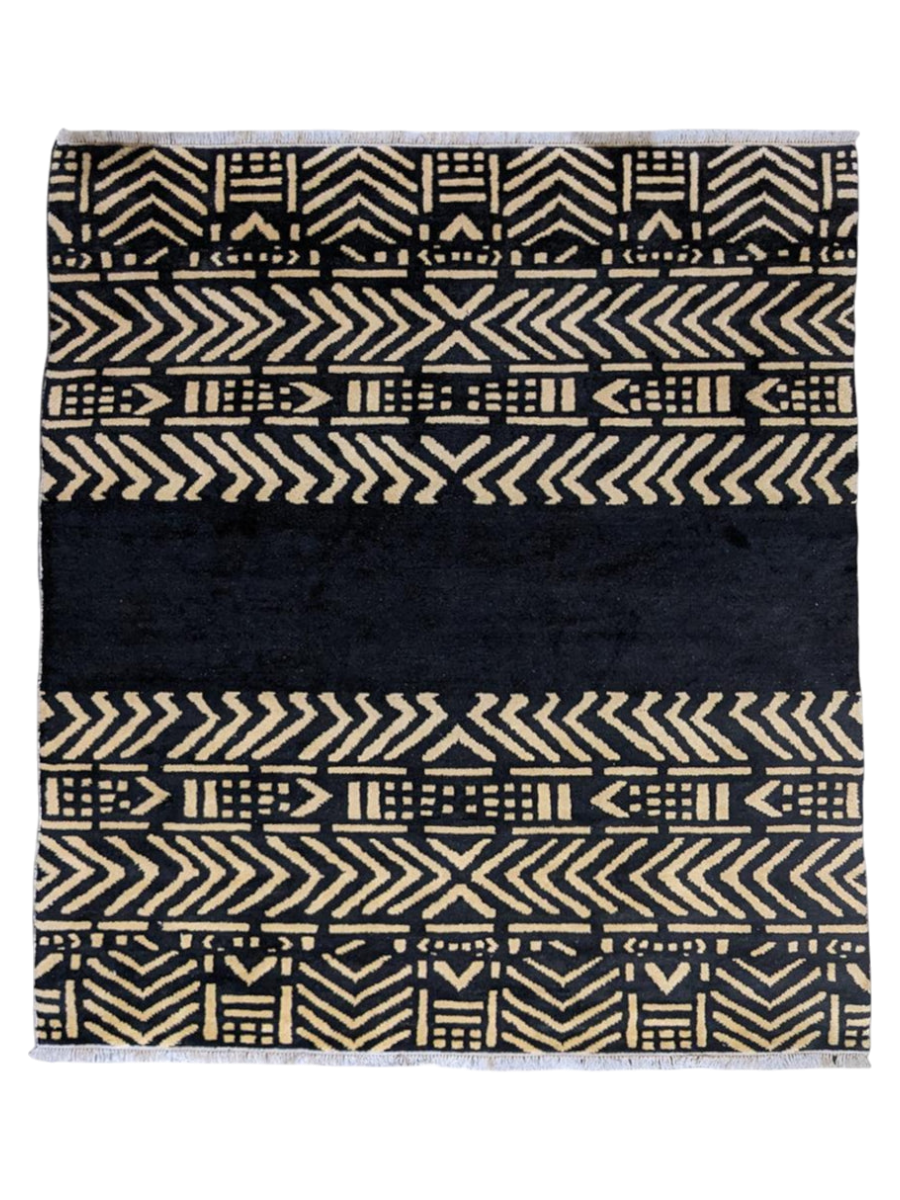
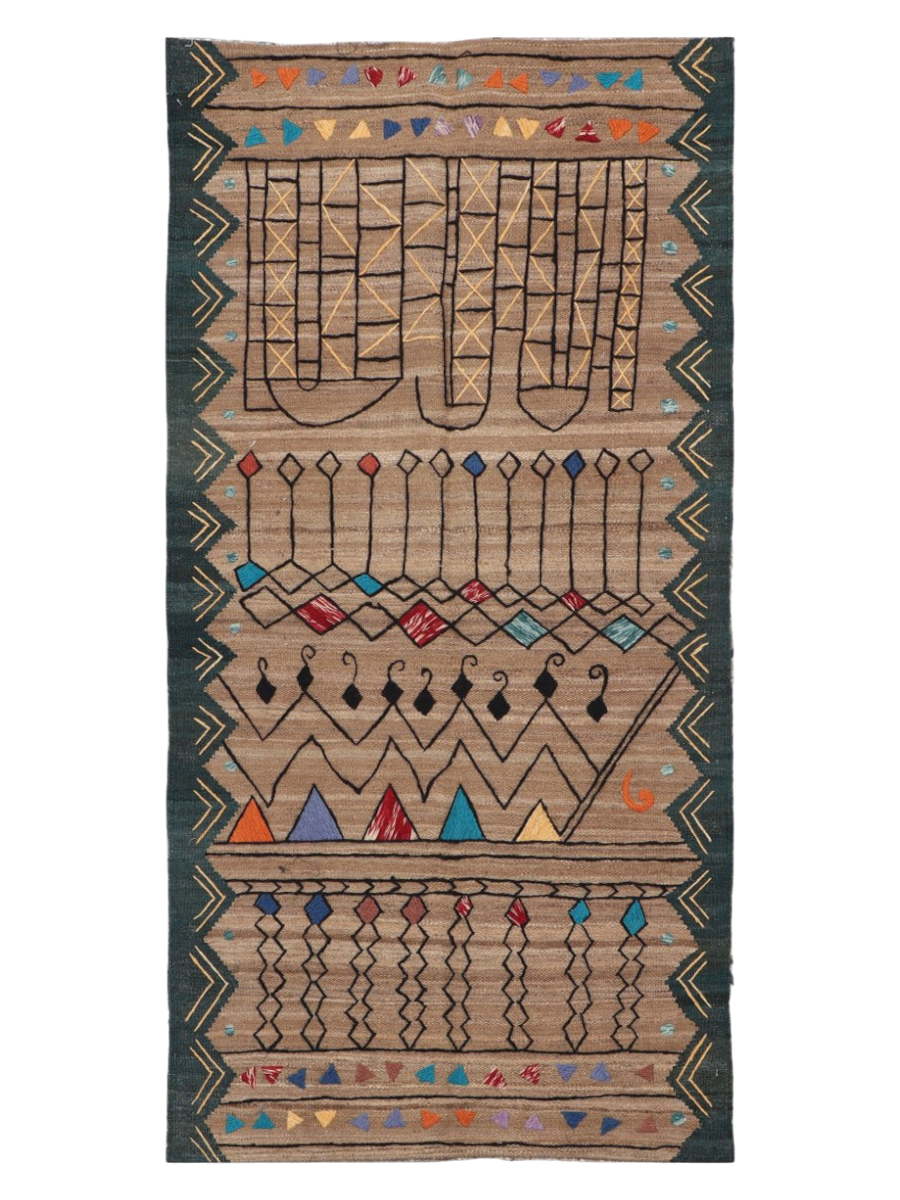
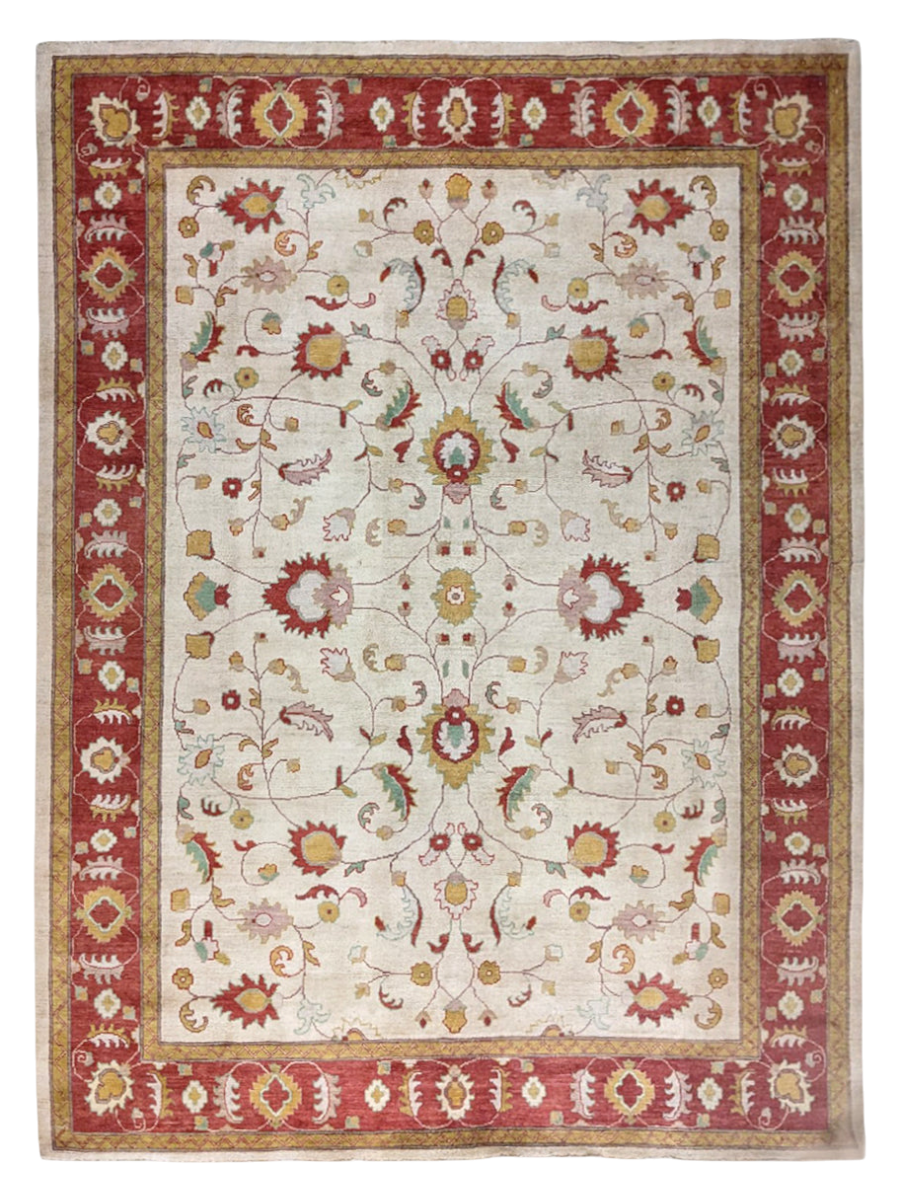
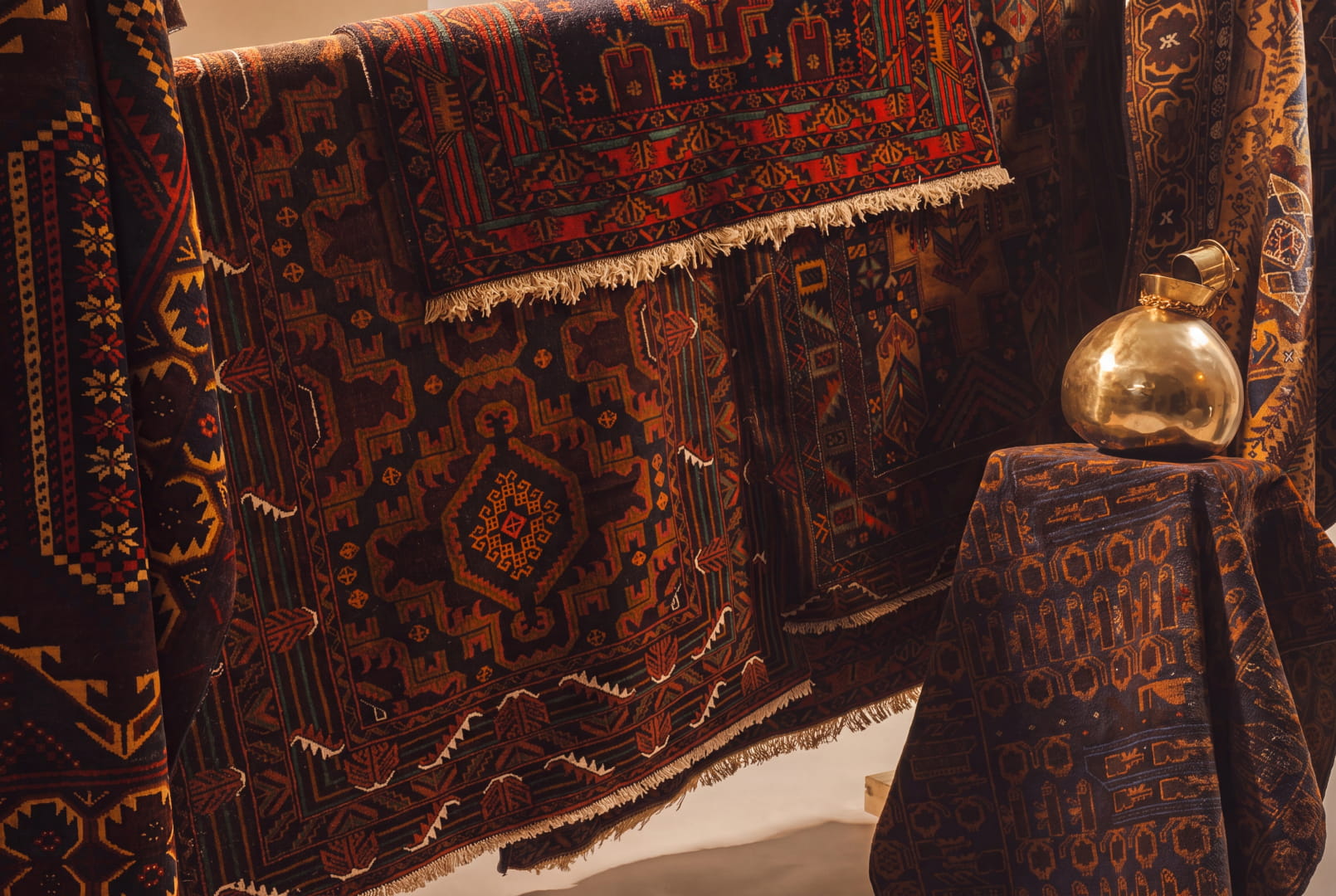
"Handmade" is on almost every rug listing, and it says very little. It covers a rug knotted by one weaver over several months and a rug punched through a backing in a few days. Both are made by hand. They are not the same rug. Below: what handmade means, where handmade rugs come from, and how to choose one.
If you would rather look than read, browse all handmade rugs.
What handmade means
A handmade rug is made without a power loom. Beyond that, the method changes what you get, and you will meet three most often.
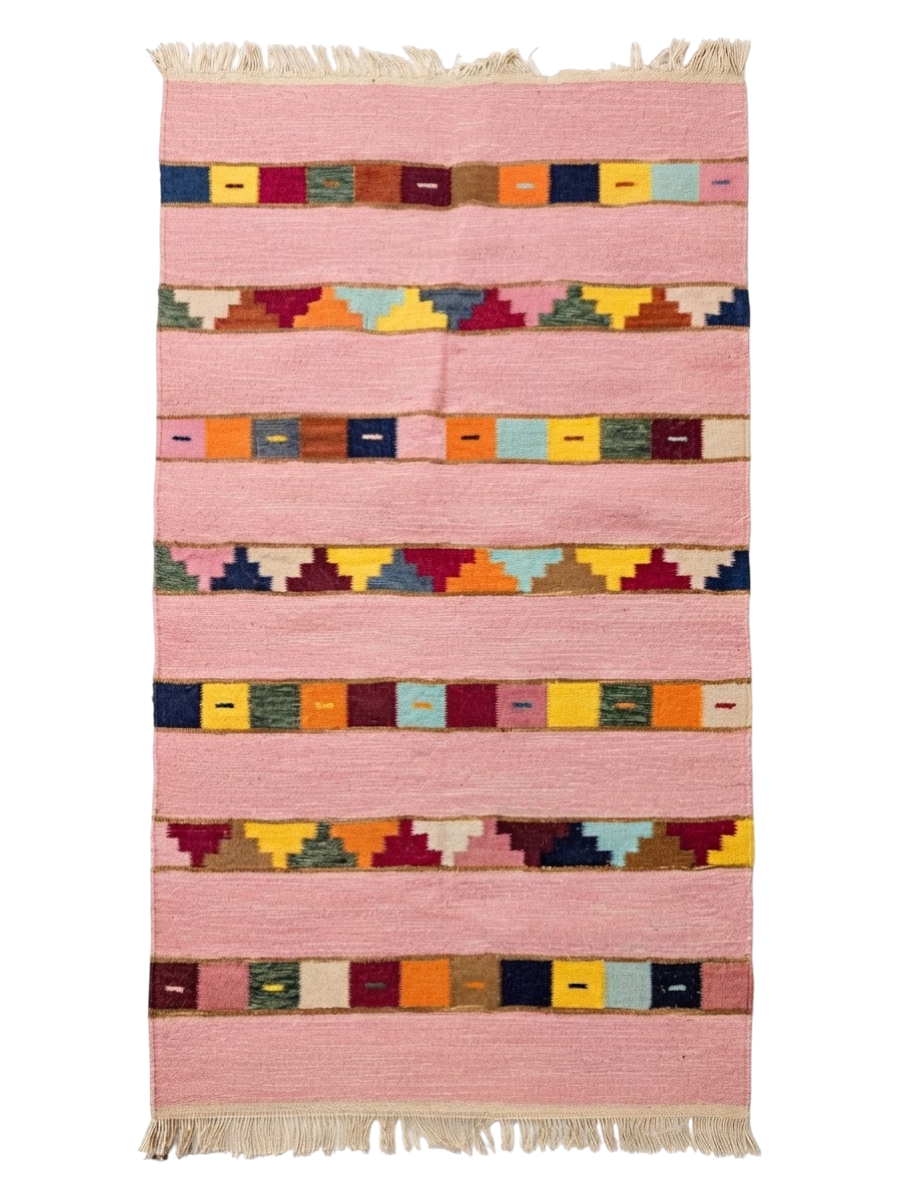
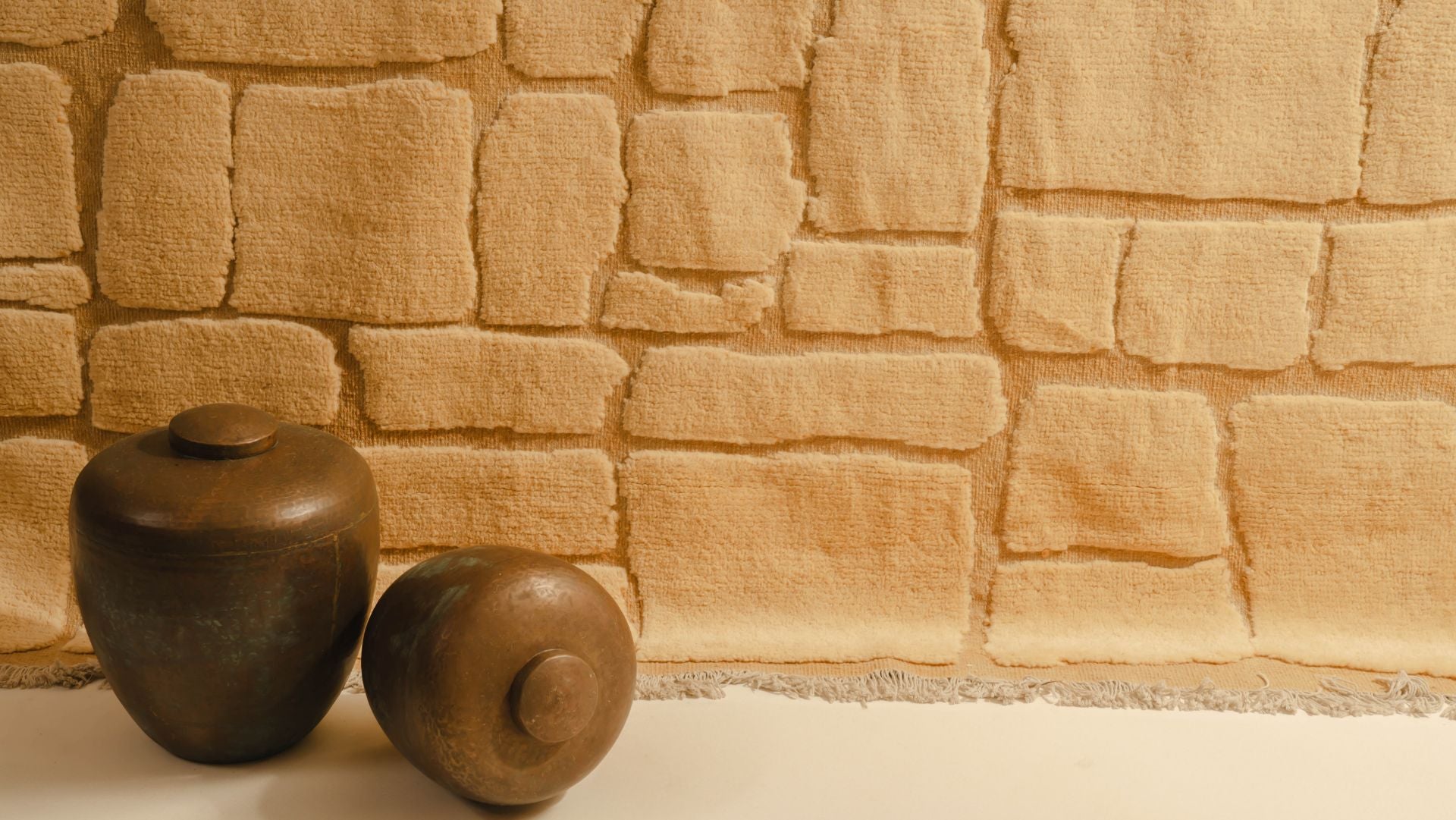
A hand-knotted rug has knots tied by hand around the warp threads on a loom, one row at a time. The pile stands upright and the pattern shows on the back. Browse hand-knotted rugs. A flatweave, which includes the kilim, has no knots and no pile: weft threads are woven across the warp until they cover it, and the pattern shows on both faces. Browse flatweave rugs and kilim rugs. A hand-tufted rug has yarn punched through a stretched backing with a hand-held tufting gun, and the back is then sealed. It is quicker to make than knotting, and several rugs of one design and size can exist at once.
We compare all three in hand-knotted vs hand-tufted vs hand-woven rugs.
Where handmade rugs come from
Many of the rugs we sell are made in Pakistan and Afghanistan, and we name the region on the listing because the region tells you how the rug was made. In Pakistan, that means hand-knotted rugs woven on looms in villages in southern Punjab, among other places. Browse Pakistani rugs. In Afghanistan, it means kilims from Maimana in the north, and pile rugs such as Chobi, Turkman and Hazara weaves. Browse Afghan rugs, and read Afghan rug types explained and what a Maimana kilim is.
Rugs made in one place differ from rugs made in another. A named region lets you compare like with like.
Handmade or machine-made?
A minute's inspection tells you most of it. Turn the rug over: on a hand-knotted rug the pattern is as clear on the back as on the front, because the knots run through, while a printed or machine-made rug often looks blurred or plain behind. Look at the fringe. On a hand-knotted or hand-woven rug it is the loose end of the warp threads, part of the rug itself, so a sewn-on fringe is a warning sign. Look for small irregularities too. A slight change in a line or a shade is what hand production leaves, and perfectly identical repeats suggest a machine. Finally, read the listing. A seller of a handmade rug names the construction and the region, and if the listing only says "handmade", ask.
Our longer post on handmade vs machine-made rugs goes further.
How long it takes
The time depends on the construction and the fineness of the weave. As a guide, a flatweave takes weeks to a few months on the loom, and a knotted pile rug takes many months, longer as the knots get finer.
Choosing a size
Handmade rugs are listed in cm on our site, with the feet size beside it. The common ones are 5x7 (150 x 215 cm), 8x10 (245 x 305 cm) and 9x12 (275 x 365 cm). The full table, room by room, is in rug sizes in cm explained. For a size that is not listed, see our custom size rugs.
Five questions to ask before you buy
Does the listing name the construction: hand-knotted, flatweave or hand-tufted? Does it give the size in cm? Does it name the region where the rug was made? Does it say what the rug is made of? And does the room suit the construction, with pile for soft floors and flatweave for halls and dining rooms? If every answer is yes, you know what you are buying. If wool is what you want, read how to choose a wool rug.
Questions we get asked
Where are your handmade rugs made?
Many are made in Pakistan and Afghanistan. The listing names the region for each rug. See Pakistani rugs and Afghan rugs.
What is the difference between a handmade and a machine-made rug?
A handmade rug is knotted, woven or tufted by hand. A machine-made rug is produced on a power loom. Turn the rug over: a hand-knotted pattern is as clear on the back as on the front.
What is the difference between hand-knotted, flatweave and hand-tufted?
Hand-knotted rugs are tied knot by knot on a loom and have a pile. Flatweave rugs are woven with no knots and no pile. Hand-tufted rugs have yarn punched through a backing and sealed.
How long does a handmade rug take to make?
It depends on the construction. A flatweave takes weeks to a few months. A knotted pile rug takes many months, and finer knotting takes longer.
What size handmade rug do I need?
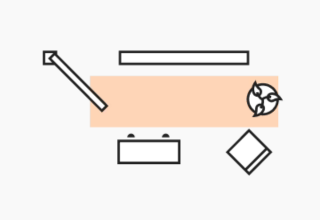
Leave about 30 cm of bare floor around the edge. In a living room, choose a rug big enough for the front legs of your furniture to sit on it. See rug sizes in cm explained for the full guide.